

 Indie games
Plura Ingenia: Patient 16 conveys the feeling of being trapped in an experiment where your own mind is used against you

sexta, 23 de outubro de 2026 00h 41min
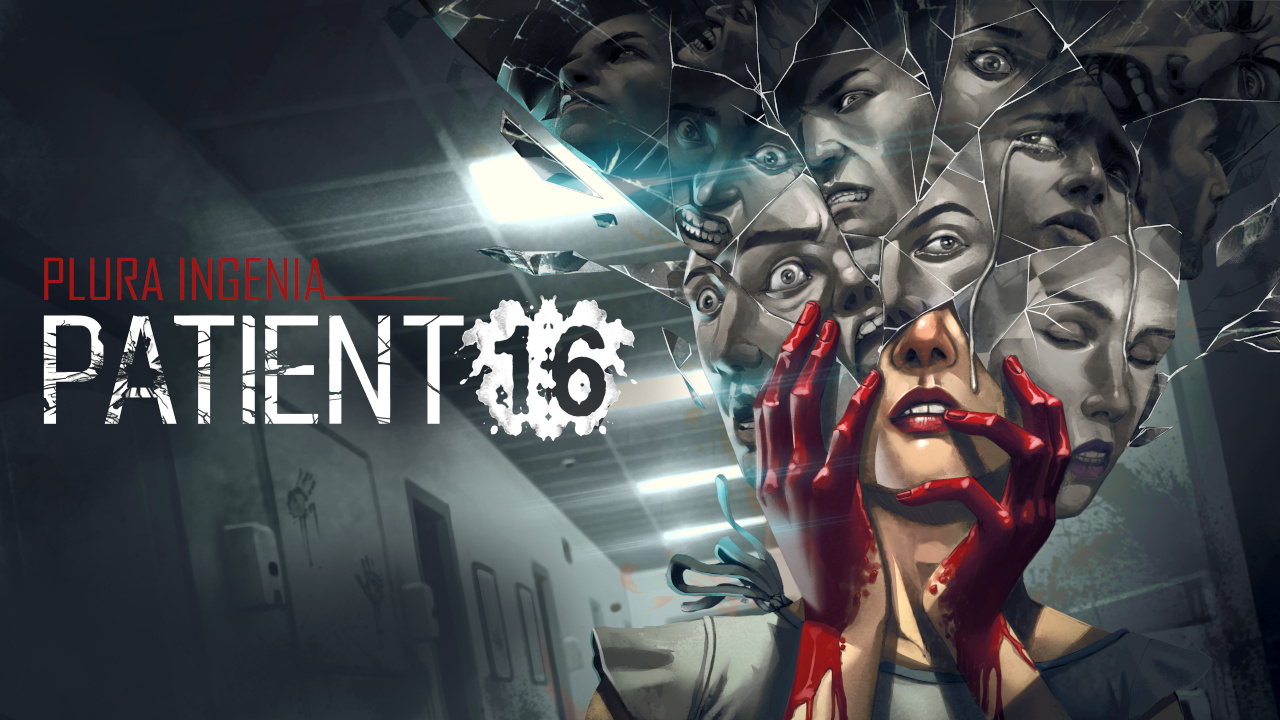
Combining interactive physics, environments that distort the perception of reality, and multiple endings, Plura Ingenia: Patient 16 uses the player's own mind as a central element of its horror. Developed by Oblique Interactive, the game offers a playable demo showcasing the main features of this first person psychological horror experience focused on exploring mysterious facilities. Individual fears, personality traits, and choices influence the environment and the events that unfold, ensuring that each playthrough presents different situations.
Answers to psychological questions and decisions made during exploration determine how the experience unfolds, affecting the entities encountered, the appearance of the environments, and the intensity of the horror. Players must reflect on their own behavior and choose between different paths without knowing the exact consequences of each decision. While some changes affect only minor details, others can completely transform the reality presented by the game.
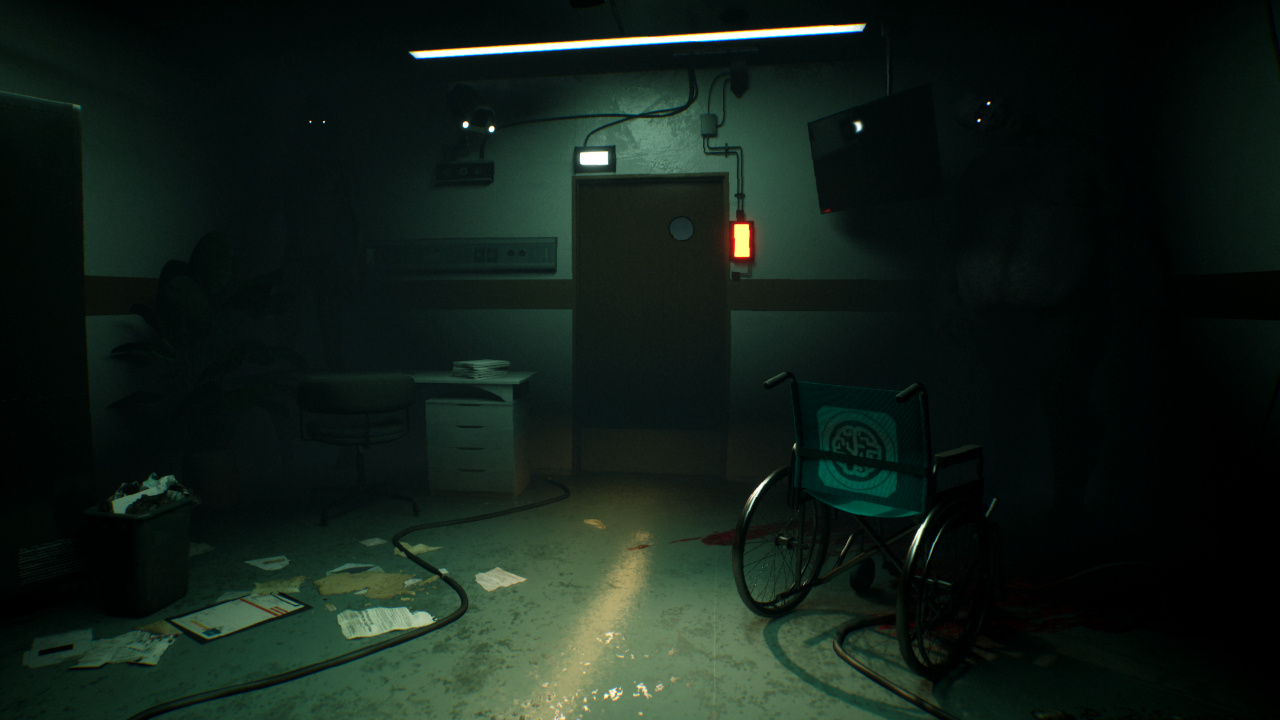
Exploring a mysterious hospital leads to an investigation into the purpose of a psychological experiment and the fate of those who participated in it. Different doors can lead to different paths, while the environments conceal clues about the events that took place inside the facility. Spatial perception and the situations encountered vary according to the psychological profile developed throughout the journey, reinforcing the uncertainty surrounding what is real and what is shaped by the player's own responses.
Interactive physics also plays an important role in exploration, allowing players to pick up, examine, and throw almost any object found in the environments. This mechanic expands the possibilities for interacting with the surroundings and contributes to a sense of vulnerability within a facility where not everyone survived the experiment. The combination of exploration freedom, dynamic environmental changes, and unpredictable consequences establishes an approach to horror that goes beyond traditional jump scares.
The demo allows players to experience the main systems and discover how their personal responses can alter the environment, encounters, and available paths. With a concept centered on each player's personality, the game transforms exploration into a psychological assessment in which every decision can reveal new aspects of the facility and its mysteries.
Related news!
Indie games
 Indie games
 Indie games
 Indie games
 Indie games