

 Indie games
Abyzou Rituals: The Manson Case arrives on Steam with a corrupted found-footage aesthetic and a metanarrative centered on disturbing rituals

sábado, 24 de outubro de 2026 10h 25min
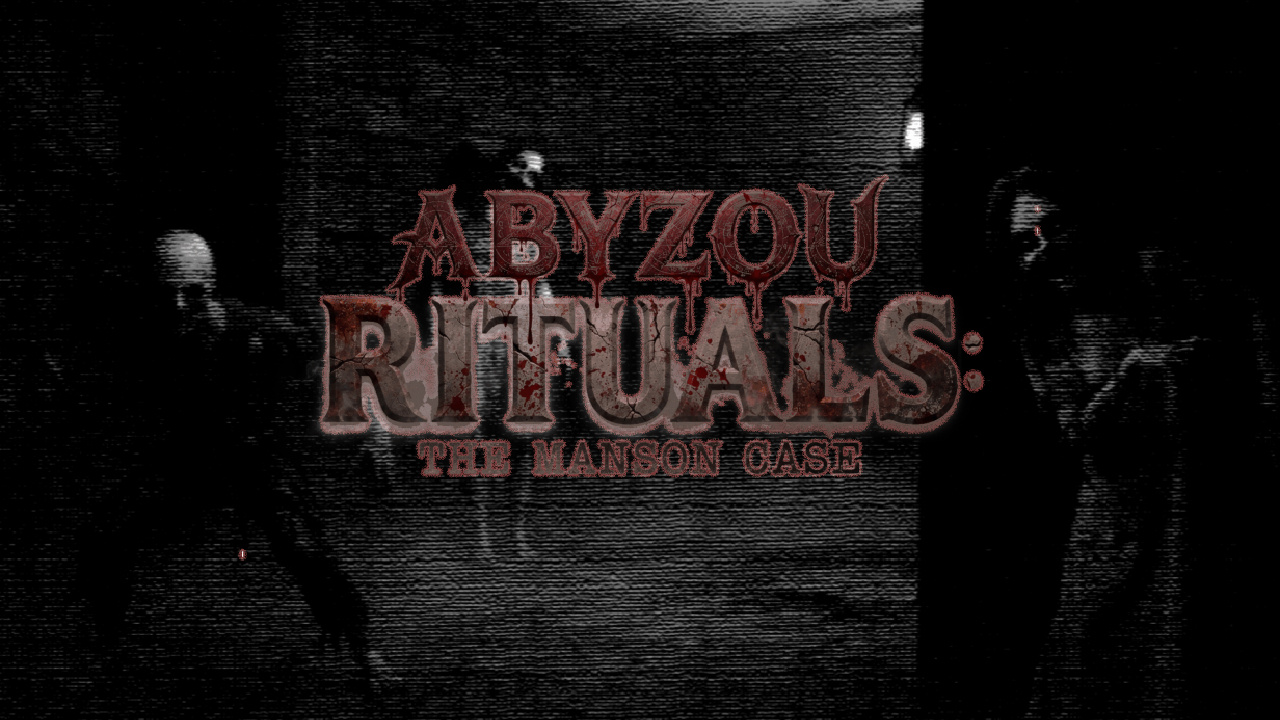
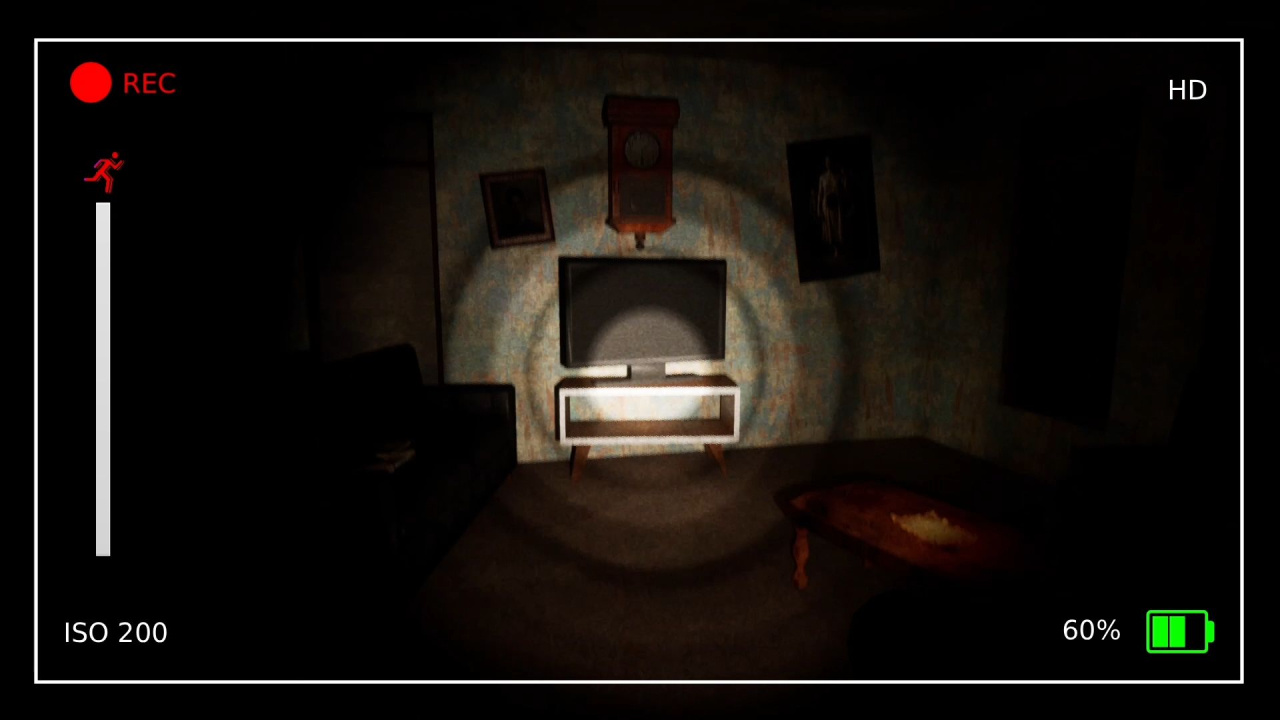
With a corrupted found-footage aesthetic, Abyzou Rituals: The Manson Case employs a metanarrative in which the player is not merely investigating a tragedy, but unknowingly completing the unfinished satanic ritual left behind by a cult. Developed by solo developer Ignacio Bustamante, the game was among October's releases and is available on the Epic Games Store and Steam. The first-person psychological horror title focuses on investigating the mystery behind a massacre and the disappearance of cult members who gathered at House 12, where a ceremony was interrupted before its conclusion, leaving behind evidence of events that defy human understanding.
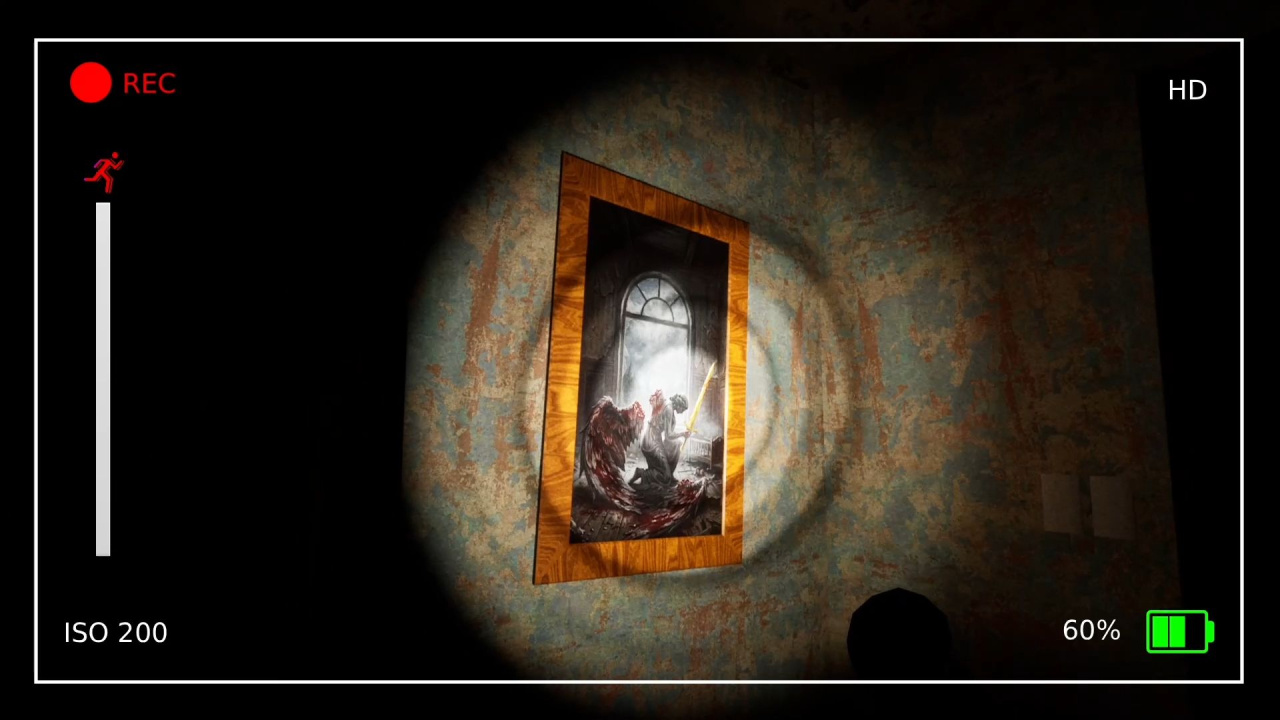
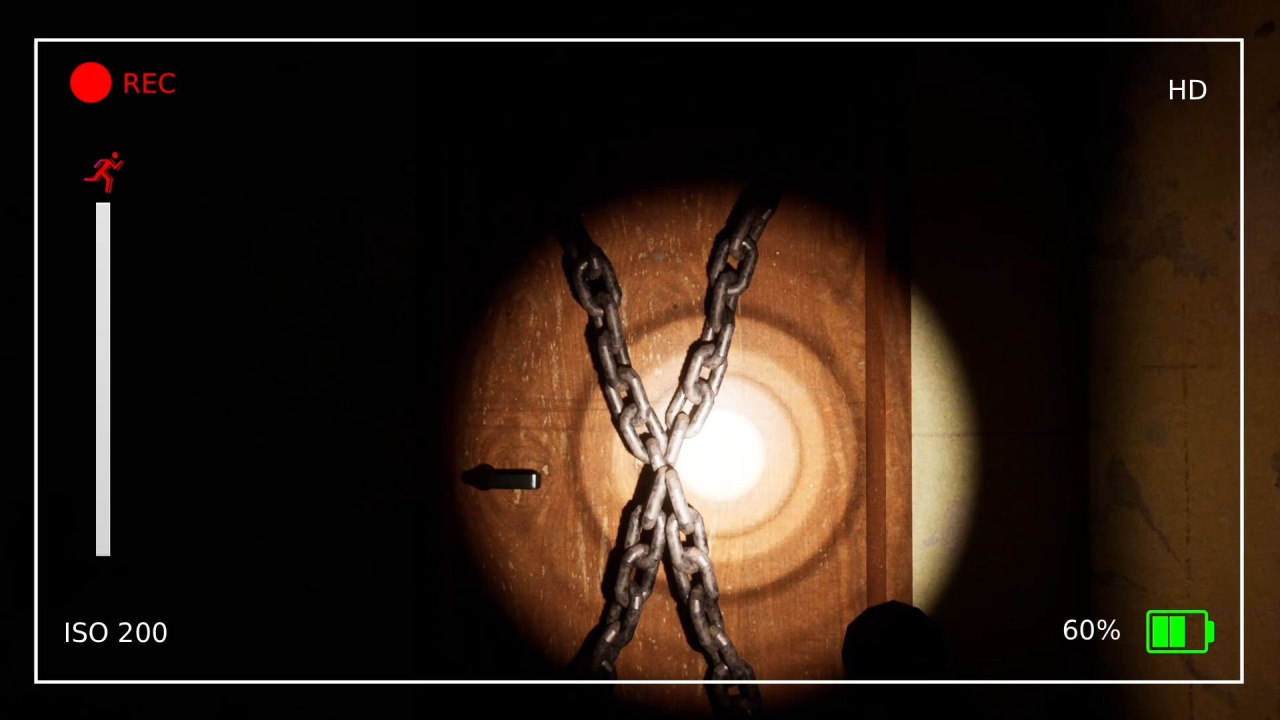
The investigation begins with access to a corrupted archive containing degraded recordings, photographs, occult symbols, forbidden prayers, and objects used in ceremonies. Exploring the premises requires players to examine clues and reconstruct the events that led to the massacre by connecting fragments of information left behind by the missing cult members. As new discoveries emerge, the investigation reveals a disturbing reality: every completed step brings the protagonist closer to finishing the ritual they were supposed to investigate.
Reconstructing the ceremony requires careful observation of the surroundings, interpretation of symbols, and identification of the objects needed to follow the instructions left behind by the cult. The narrative turns these activities into part of a trap in which every discovery represents another step toward completing the ritual. Abyzou, an entity associated with the events at House 12, becomes increasingly threatening as inexplicable phenomena cast doubt on the protagonist's safety and the very nature of the experience.
Whispers, footsteps, distorted audio, infant cries, and apparitions contribute to an atmosphere that blends supernatural horror with psychological tension. The found-footage aesthetic reinforces the impression that the events have been recovered from damaged recordings rather than artificially produced, while visual and audio degradation heightens the feeling of encountering something forbidden. Rather than relying exclusively on direct confrontations, the experience emphasizes attention to detail, quick thinking, and psychological resilience in the face of increasingly disturbing manifestations.
Ignacio Bustamante, solo developer, describes the project as an experience aimed at horror fans seeking a journey capable of driving them to madness and putting even their souls at risk. “If you're a horror fan looking for a game that will make you lose your mind, descend into madness, and feel as though even your soul is at risk along the way, Abyzou Rituals: The Manson Case is a deeply ritualistic experience, steeped in occult and satanic themes. I believe it's a great way to explore and discover the macabre world of the damned”. His statement reinforces the intention to combine satanic elements, demonic folklore, and occult symbolism in a narrative where the player stops being an outside observer and assumes a central role in the ceremony.
Progression also reinforces the idea that interacting with the game itself is part of the pact proposed by the narrative. Installing the game and starting a session are incorporated into its promotional language as symbolic stages of voluntary participation, expanding the metanarrative that connects the player to the events at House 12. This approach seeks to blur the boundaries between fiction and reality, making ordinary actions, such as examining an object or following an instruction, take on a threatening meaning within the context of the ritual.
By combining environmental investigation, corrupted recordings, and supernatural manifestations, Bustamante's project embraces a psychological horror approach in which curiosity draws players deeper into an unfinished ceremony. Discovering the truth does not necessarily offer a safe way out; instead, it may be precisely what allows the cult's abandoned ritual to reach its conclusion.
Related news!
Indie games
 Indie games
 Indie games
 Indie games
 Indie games